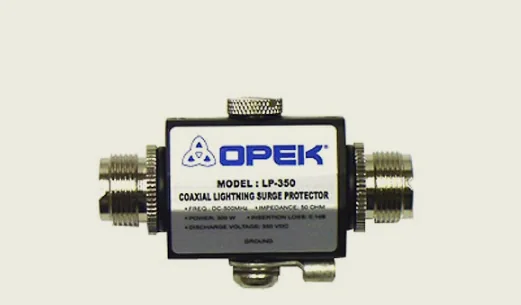
OPEK LP-350: protection of two-way radio and antenna track from tips
Where does a dangerous tip come from?
The antenna on the mast is the highest and longest conductor around the radio point. During a thunderstorm, it catches an electromagnetic tip even without direct lightning: the current goes through the feeder directly to the station. Without protection, everything from the transmitter’s output cascade to the two-way radio itself suffers, and repairs after such a strike usually cost significantly more than preventive protection.
How a thunder discharger works in a feeder rupture
LP-350 lightning arrester The antenna cable breaks between the antenna and the two-way radio. In normal mode, it is transparent to the radio signal and practically does not affect the path, and with a dangerous tip, it works and takes energy from the cable to the ground - knocking out the malfunction from the path, not from the station. The operating range of the device is 0-500 MHz and the wave resistance is 50 Ohms, that is, it is suitable for a wide range of vehicle-mounted and handheld communication systems, and the UHF connector is the de facto standard for paths of this power.
When protection is necessary and when it is desirable
Protection is required where the antenna is higher than the surrounding buildings: masts on the bases, towers of car parks, roofs of production buildings. Desirable - wherever equipment is expensive or simple communication critical: at long-range points, replacing the station means days without communication, and the lightning discharger is a small part of the cost of the two-way radio itself. In warehouses and workshops, where the antenna is a pin on the bracket against the wall, protection is still appropriate: a tip is caught on a short feeder.
What to consider when installing
Thunder discharger performs its work only in conjunction with the correct grounding: the body of the device is connected to the grounding circuit with a short thick conductor, without extension "garlands". The shorter the path of current flow to the ground, the less energy manages to pass further along the feeder. The installation itself is simple - the device is screwed into the cable rupture on both sides through UHF connectors, soldering and alteration of the tract are not necessary. If you doubt the grounding scheme at your point, describe the installation in a letter - we will tell you how to correctly introduce protection into the existing tract.
What to take with LP-350
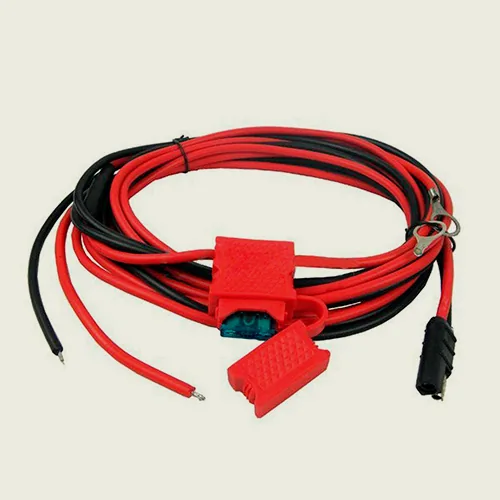
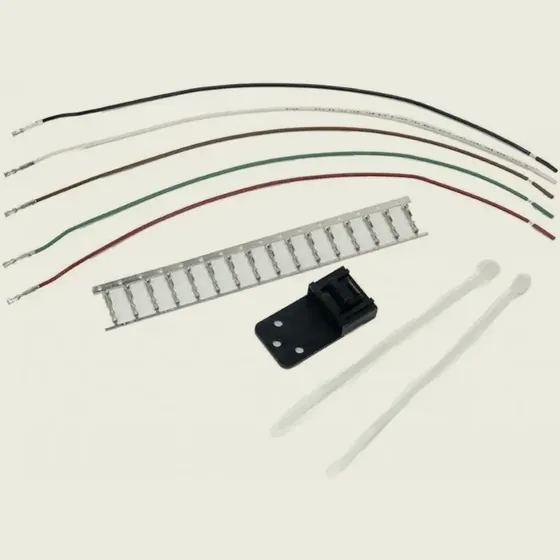
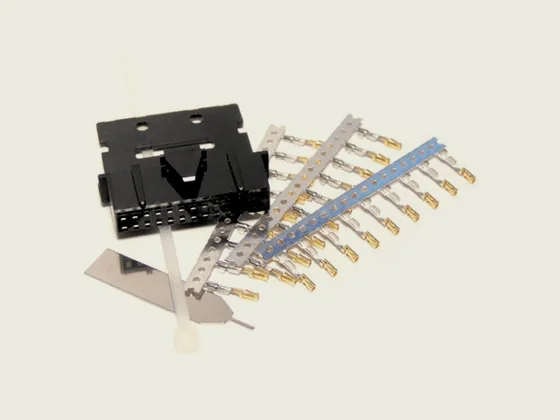
Protection is reasonable to put together with a quality feeder and the right connectors: a weak link in the tract crosses out and a good lightning discharger. If the dot is powered by the on-board network of the machine, add the power supply cable HKN4137 with a fuse, and for the vehicle-mounted stations of the GM-series - accessory connector HLN9457 and a set of PMLN5072. Positions available - in the "Available" block below.
How to order
Write to e-mail the model of the station, the length and type of feeder - we will respond during the working day with the price, availability and delivery time. We will bring to your city any convenient TC - in Russia and Kazakhstan, we form the paper for the order on the day of shipment.
More technical guide
- Batteries. PMNN4412 and PMNN4415AR: Lithium for handheld two-way radio without memory effect
- HKN4137 Power Supply Cable: Why Power Stations Are Powered Directly by Battery
- HNN9009 battery for GP340: second battery for long shift and frost
- Handheld radios for the vehicle GM340: vehicle-to-person radio in the field
- Dust, water and frost: what a vehicle radio withstands and how to protect it
- Hand mic, external speaker and microphone: radio in a noisy cab
- Vehicle radio and the vehicle battery: 12 and 24 V power without surprises
- All guides →