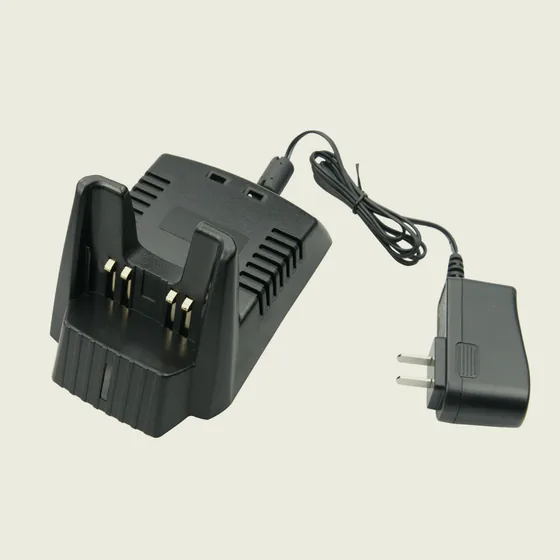
Dust, water and frost: what a vehicle radio withstands and how to protect it
Vehicle-mounted station works where everything breaks: dust quarry, rain at the crossing, frost on the winter road, shaking off-road. Let’s look at what two-way radio can actually handle and what you need to do when installing it to keep it running for years.
What is IP54?
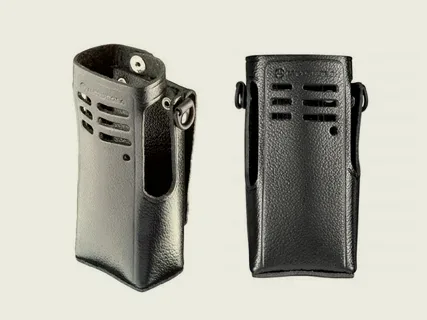
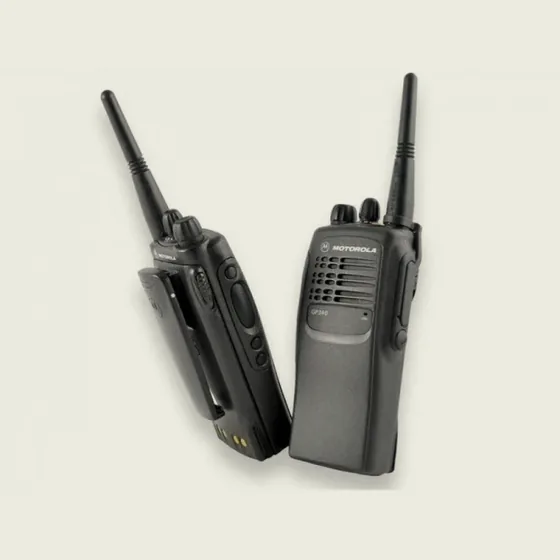
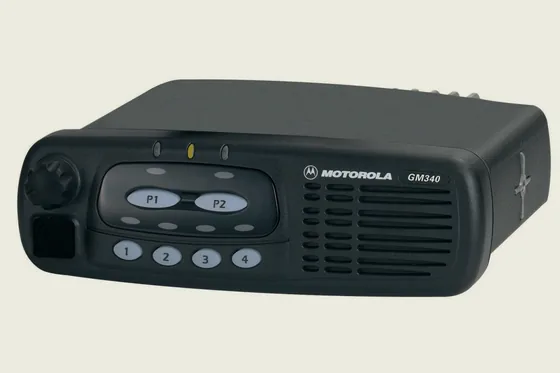
The degree of protection is recorded in two figures. The first is protection from solid particles and dust, the second from water. The GM340 is IP54: dust gets inside in an amount that does not interfere with work, and the station withstands rain and splashes. Motorola’s spec sheet states explicitly: The station is being rain-tested on IP54.
Immersion and jets under the pressure of IP54 does not promise. Therefore, the vehicle-mounted station is put in the cabin, not on an open frame or under the hood.
MIL-STD 810 is about shaking, not water
The GM340 complies with the military standard MIL-STD 810 in editions C, D and E. These are tests for shocks, vibration, temperature changes - what the station experiences off-road and on tracked vehicles. It does not protect against water beyond IP54.
Dust: quarry, steppe, primer
- The station is fixed in the cabin so that it does not blow air from an open window or duct.
- Connectors, which are not used, cover with plugs: abrasive dust erases contacts faster than water oxidizes them.
- After a career shift, the case and hand microphone are wiped without waiting for the raid to harden.
Frost and condensation
The operating temperature of GM340 is from -30 to +60 °C. In a heating cabin, this closes almost all work in the North. If the car sleeps in the cold below -30 ° C, the station is turned on after the cabin warmed up.
Condensation is more dangerous than frost. The cold station in the warm wet cabin is covered with moisture from the inside and outside. Do not direct the hot air of the stove to the station and do not turn it on wet - let it warm up evenly.
The main reason for poor communication is the antenna.
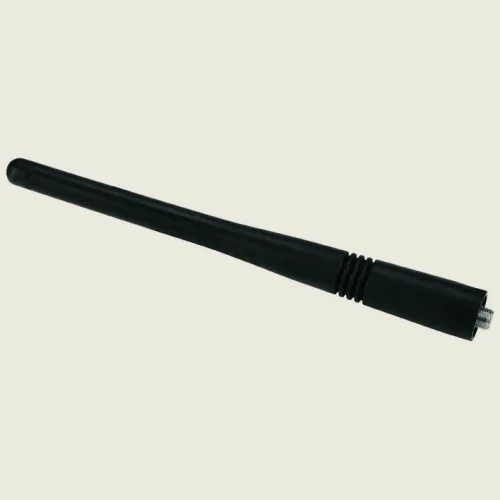
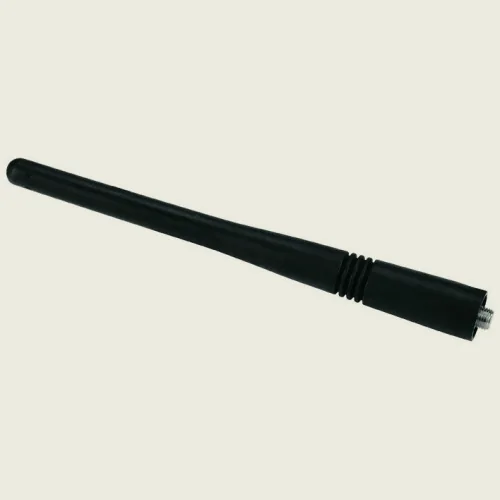
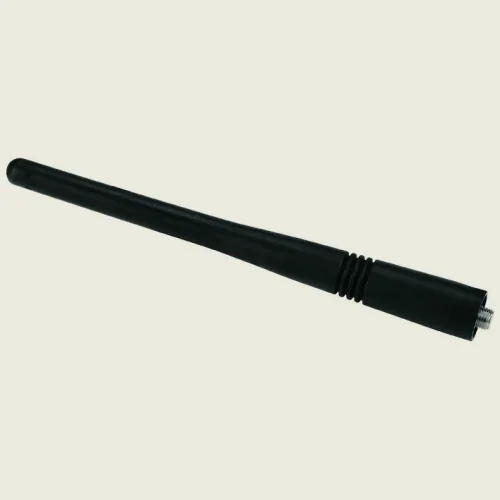
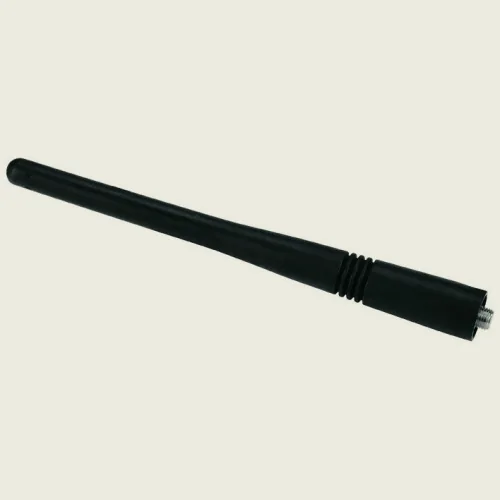
When the range falls, it is not the station that is most often to blame, but a wet or oxidized connector of the antenna cable. The connector outside the car is sealed, the cable is laid without sharp inflections, once a season inspected. For a car without drilling the roof is MR-14U magnetically based antennaFor a stationary station, base BC-100 with light-discharger LP-350 in a feeder rupture.
If the station is flooded.
Disable power supply, remove the station, dry in a warm dry place without a hair dryer and stove, inspect the connectors. If the water got inside the case - in repair, without checking the inclusion.
What to send on order
What equipment, open cabin or closed, where the station will stand, whether you work in dust or on water and to what temperature the overnight stay drops. Let us answer with a letter what to put and how to protect: office@apocalypsemoto340.ru.